Desert diamonds, champagne and warm color: what are you actually choosing?
Desert diamonds is a De Beers natural-diamond marketing concept with associated grading services; champagne is a color description used in the trade. Neither phrase alone tells you everything about an individual stone. Ask for its documented identity, color information, treatment disclosures and actual appearance before deciding.
If you have started saving pictures of warm diamonds, I understand the appeal. There is something lovely about a color that feels soft rather than icy, and you don't need to defend liking it.
What I do want to separate is the color you love from the story used to sell it. Because you can love the story too, that is allowed, but by the time we choose a stone I want you to know what you are buying.
You should not need to become an expert in diamond marketing to get a straight answer.
What does Desert diamonds mean?
Desert diamonds is a De Beers campaign centered on natural diamonds in a warm, nature-inspired palette.
In its April 9, 2026 bridal announcement, De Beers describes expanding the concept into engagement and wedding jewelry, including lighter warm hues. That is the company's description of its campaign, not an independent assessment of any stone you might be offered.
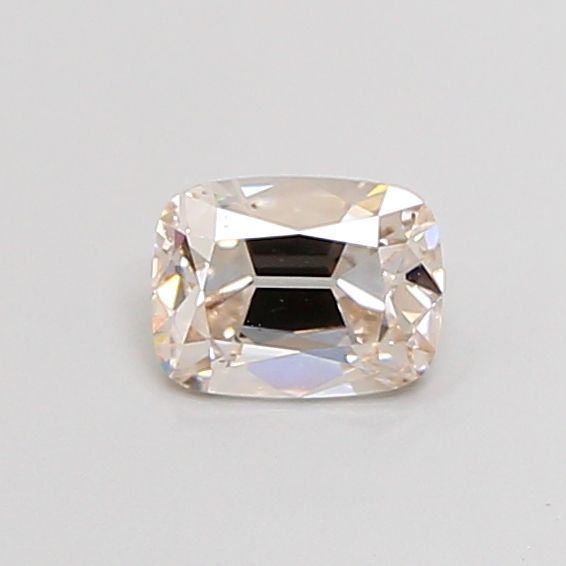
There is also an Institute of Diamonds Desert diamonds grading service. The institute says the service verifies natural, untreated diamonds and provides associated reports and verification cards.
That matters. If somebody offers you a stone with that documentation, ask to see it and understand what it covers. If somebody simply uses the phrase in a listing, don't assume the listing comes with the same evidence.
Ring Mint is not claiming an affiliation with this campaign. We can talk about the look without implying that every warm diamond belongs to a branded collection.
Is champagne a diamond grade?
Champagne is not a universal laboratory color grade. It is a useful descriptive word, but its meaning can vary between sellers.
One person's champagne is another person's pale gold. Someone else may use it for a distinctly brown stone. I don't mind the word, I just want to see what you mean by it.
That is why a description and a report have different jobs. The description helps communicate an impression. The report supplies the information the issuing laboratory has actually assessed. Neither replaces seeing the diamond itself.
| Wording you may see | What to clarify |
|---|---|
| Desert diamonds | Is this a campaign or collection reference, and what documentation accompanies this stone? |
| Champagne | What color does this specific diamond show, and how does the laboratory describe it? |
| Warm white | How noticeable is the tint in comparable lighting? |
| Natural diamond | What documentation establishes natural origin, and what is disclosed about treatment? |
| Lab-grown diamond | What documentation establishes laboratory-grown origin, and what color or treatment information is supplied? |
Does warm color prove a diamond is natural?
No. A warm appearance alone does not establish natural origin.
GIA's laboratory-grown diamond research documents warm coloration in lab-grown diamonds. A campaign promoting natural diamonds does not mean similar-looking colors are impossible in laboratory-grown material.
That does not make the origins interchangeable. If natural origin matters to you, it matters. If you are open to lab-grown, that should be an informed option too. I work with both and would rather understand your priorities than make the decision for you.
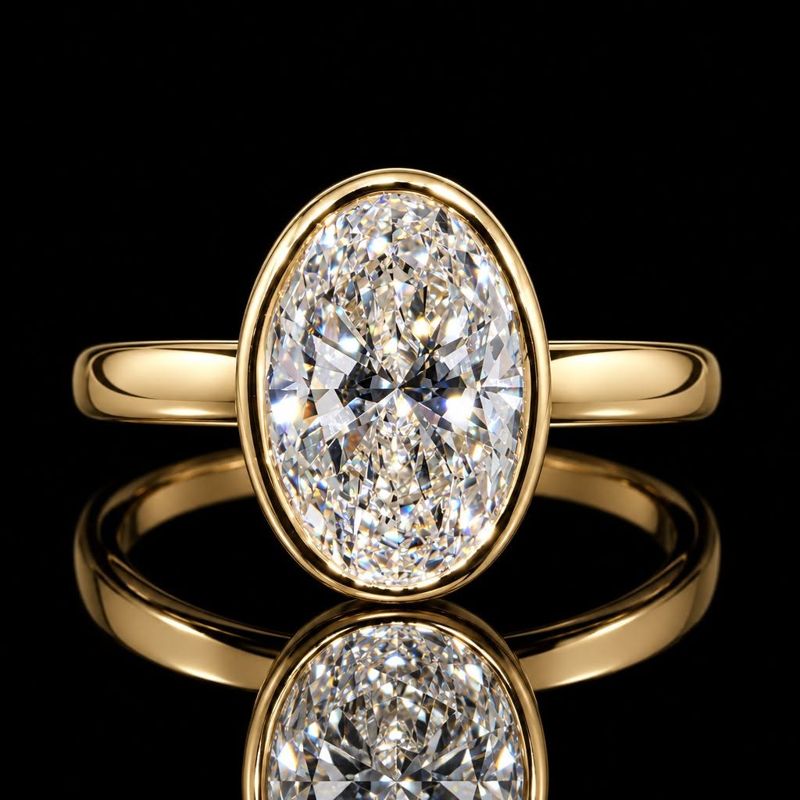
I go further into the evidence we should request in natural versus lab-grown colored diamonds.
For the lab-grown sourcing question, see whether lab-grown diamonds can be warm-colored.
How do we turn an advertising picture into a useful brief?
Tell me which part of the image you actually want in your ring.
It could be the diamond's tint. It could be the yellow gold, the soft lighting or the way several colors sit together. You might love the whole photograph and then realize the individual stone isn't quite what you had in mind once you see it in a different setting.
That is not you being indecisive. It is us getting more specific.
I would start with two or three favorite references and a couple you don't like. Then we can talk about how much yellow or brown you want, whether you prefer a gentle tint or an obvious color, and the shapes you are drawn to.
My family's jewelry business dates to 1979, and some of the dealer relationships behind our sourcing are close family friendships. One of our tourmaline dealers even read me bedtime stories when I was six, at my insistence. So yes, colored stones are personal to me, but that history doesn't remove the need to examine the particular stone we are considering today.
What should I ask before agreeing to a warm diamond?
Ask questions about the actual candidate, not just the name of the collection.
- Can I see the laboratory report and verify it with the issuer?
- What is disclosed about origin and treatment?
- Can I see the stone moving in ordinary lighting?
- What are its measurements, and how will those proportions work in my ring?
- What is included in the quote for the finished piece?
You can be excited and still ask for all of that. In fact, I want you to.
With a custom engagement ring, we have the opportunity to consider the stone and design together. I would rather spend time understanding why a particular color appeals to you than give you a fashionable word and hope it covers the details.
Should the name influence my decision?
It can be part of what you enjoy, but it should not be the only reason you choose the diamond.
Imagine the same stone without the campaign photograph, without the beautiful name, just sitting in front of you. Do you still love its color? Do you like its proportions? Can you picture it on your hand?
That is the conversation I want. You are the one who will wear the ring after the advertising has moved on to something else.
Found a warm diamond look you love? Send me the image and tell me what caught your eye. We can work from the feeling toward a specific, properly described stone.