Can lab-grown diamonds be warm-colored? Yes.
Lab-grown diamonds can have warm color, including yellow and brown tones. Warmth alone does not tell you whether a diamond is natural or lab-grown, and a description like champagne does not replace information about the individual stone's origin, color and treatments.
I want to clear something up because it can close a door before we have even started looking. If you love warm diamonds, choosing lab-grown does not automatically mean giving up the color you wanted.
You don't have to want an icy white diamond. You can want something softer, something buttery, something with a little brown in it, and we can have that conversation without deciding that your taste needs correcting.
The next question is what you mean by warm. Because that word covers quite a lot, and the version in your head might be very different from the one in mine.
What does warm mean in a lab-grown diamond?
Warm describes an appearance, not a single grade or a promise of a particular shade.
There is a difference between a diamond with a gentle tint and one where yellow or brown is the first thing you notice. Then there is the setting, the lighting, the photograph, your screen. All of those can influence the impression you are responding to.
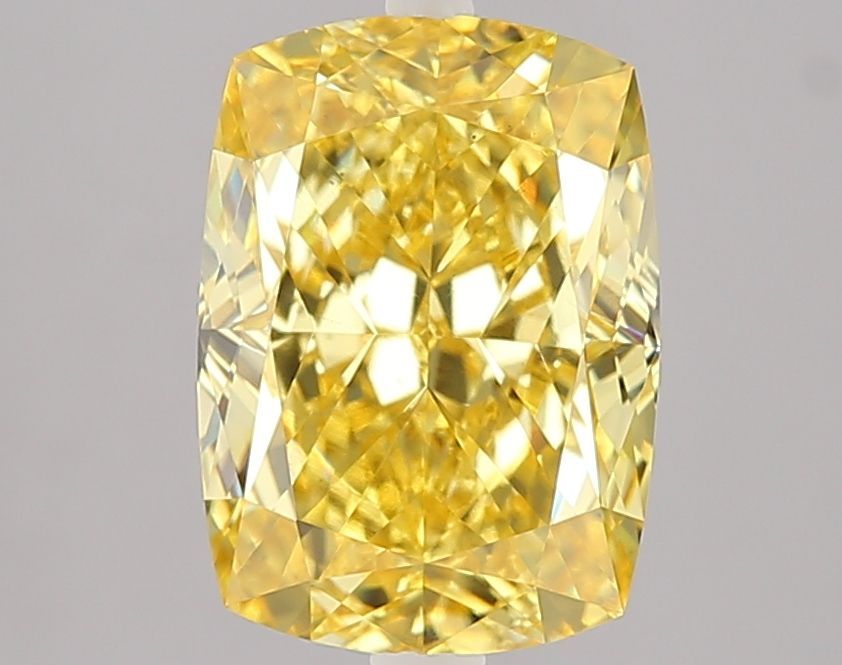
GIA's research on laboratory-grown diamonds documents yellow-orange and brown coloration, as well as processes used to change color after growth. So the possibility is established. Finding a particular shade in the shape, dimensions and budget you want is a separate sourcing question.
That is where I would rather look at actual candidates than promise you a whole category from a mood board.
Can a lab-grown diamond be champagne-colored?
A lab-grown diamond can have the warm yellow-brown appearance someone might call champagne, but ask what that seller means by the word.
If you show me a champagne-colored stone and say this is it, this is the feeling, that is useful. We have a place to start. What I don't want is for the name to do all the work while nobody explains what is actually being offered.
I would ask for the laboratory documentation and any treatment disclosures alongside photographs or video of that specific diamond. We should know what it is, and we should know whether you like it. Those are both part of choosing well.
For a broader look at those distinctions, I explain natural versus lab-grown colored diamonds separately.
How do we find the shade you actually want?
Start with pictures, then tell me what you see in them.
Not just “I like this one.” Is it the softness? The golden tone? The fact that it feels warm without looking obviously yellow? And show me the pictures you don't like too, because “too brown” or “too lemony” can be more useful than another ten images you sort of like.
A practical starting brief can be very simple:
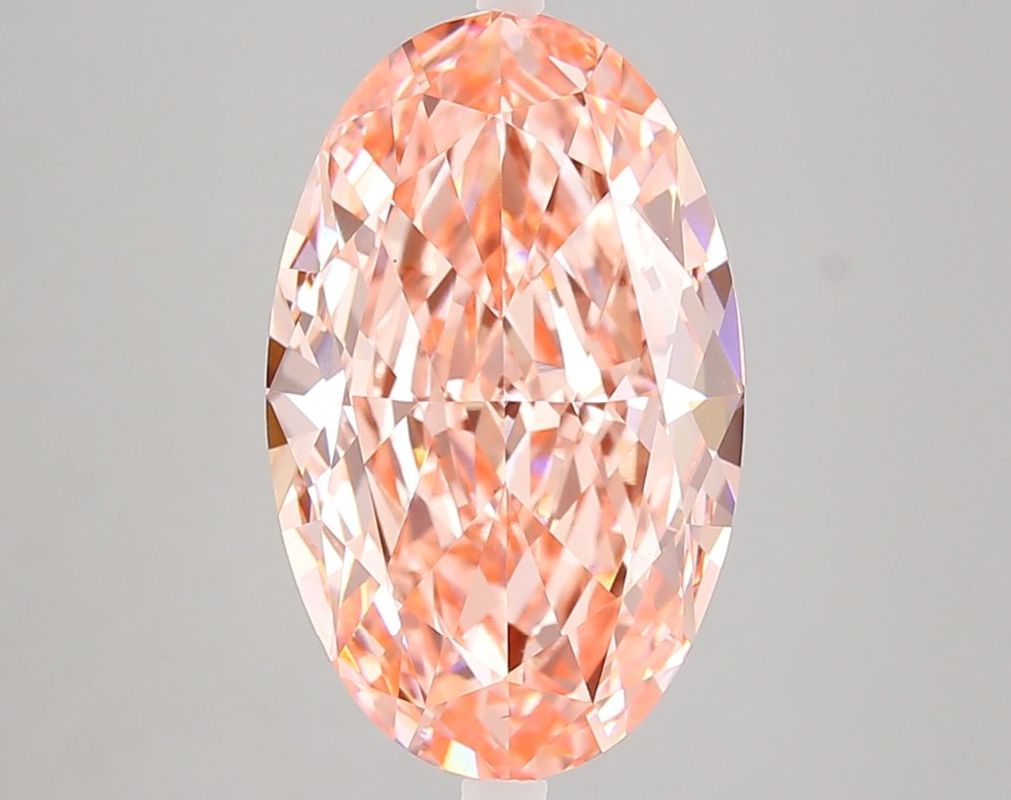
- The color you want, in your own words.
- The shapes you keep returning to.
- Whether natural or lab-grown origin matters to you, or whether you want to consider both.
- Your comfortable budget for the complete ring.
- Your timeline and how you plan to wear it.
You do not need to translate your taste into laboratory language before talking to me. That would be a fairly unreasonable requirement for getting a ring made.
Should we look at the diamond loose or in a setting?
Both views help, because you are choosing a diamond and a finished ring.
A loose-stone view gives us a starting point for comparison. A setting reference helps us understand the combination you want. I would ask for comparable lighting when we look at different candidates, rather than letting a warm photograph compete with a cool one and pretending we are comparing only the diamonds.
If the color is the thing you love, it deserves a proper look. One beautiful still can start the conversation, but I want more information before we build the entire design around it.
The metal is part of that conversation too. We can explore a warm palette throughout or more contrast around the center, then check the actual combination instead of assuming the word yellow gold answers every design question.
Does a warmer lab diamond mean a worse diamond?
A color preference is not a quality diagnosis. You can deliberately want warmth and still care about the stone's appearance, condition and documentation.
I don't want you paying for a look you don't enjoy because you have been told it is what you are supposed to want. Equally, liking warm color does not mean we stop being selective about everything else.
This is how I approach custom lab-grown diamond rings: the stone has to make sense as part of your ring. Color, proportions and the way it sits on your hand all matter.
And yes, carat is still weight. If you have a number in mind we can respect that, while also paying attention to the actual measurements and whether those dimensions suit the design.
Trying to decode a color name? Read what Desert diamonds and champagne descriptions tell you.
What if I prefer a natural warm diamond?
Then we look at natural diamonds. I work with both, and wanting a particular origin is a perfectly valid part of your brief.
My family's jewelry business dates to 1979, and the relationships behind our sourcing span decades. What I value about that is the ability to have a thoughtful conversation about a stone, not a reason to push everyone toward the same answer.
There is a moment I am looking for when we compare options. The one where you stop mentally adjusting the picture and think, yes, that one.
Have a warm shade in mind? Send me your inspiration, budget and timing. Tell me what you love about the color, even if you don't have the right word for it yet.