What I show you when we compare diamonds and gemstones for your ring
Choosing a stone for a custom ring means balancing the color and appearance you love with how you will actually wear it. I compare diamonds and colored gemstones through that lens, then look at the individual stone's condition, treatments, dimensions and fit with the setting and budget.
Before I want to know what carat weight you are thinking about, I want to know what this ring is going to do with you.
Is it your engagement ring, something you want on your hand most days? Is it a ring you put on for dinner and take off when you get home? Do you already look after your jewelry carefully, or would remembering to take it off be a completely new habit?
There isn't a wrong answer. But the answer changes what I would show you.
I love unusual colored gemstones. My family specializes in them, with jewelry experience going back to 1979 and dealer relationships that span a lifetime. I also work with natural and lab-grown diamonds, colored and colorless. We have more than one direction to explore, and I want to find the balance between the color you love and the life you actually live.
Choosing the stone and designing your custom engagement ring belong in the same conversation.
Do we have to start with a diamond?
No. We can start with a color, a shape, a feeling or a particular gemstone you have always wanted.
Maybe you know you want a diamond. Maybe you keep saving pictures of tourmalines without knowing what they are. Maybe the color matters more to you than the name of the stone, and you would like to see different ways to get there.
I want to understand that before narrowing the options. A green diamond, a green sapphire and a green tourmaline aren't interchangeable just because they share a color word. We need to consider the actual shade, the appearance and the practicalities of the material.
Our mint-green ring guide explores that kind of search. The point of a shortlist is to turn a broad possibility into a few choices you can understand, not give you every green stone on earth and wish you luck.
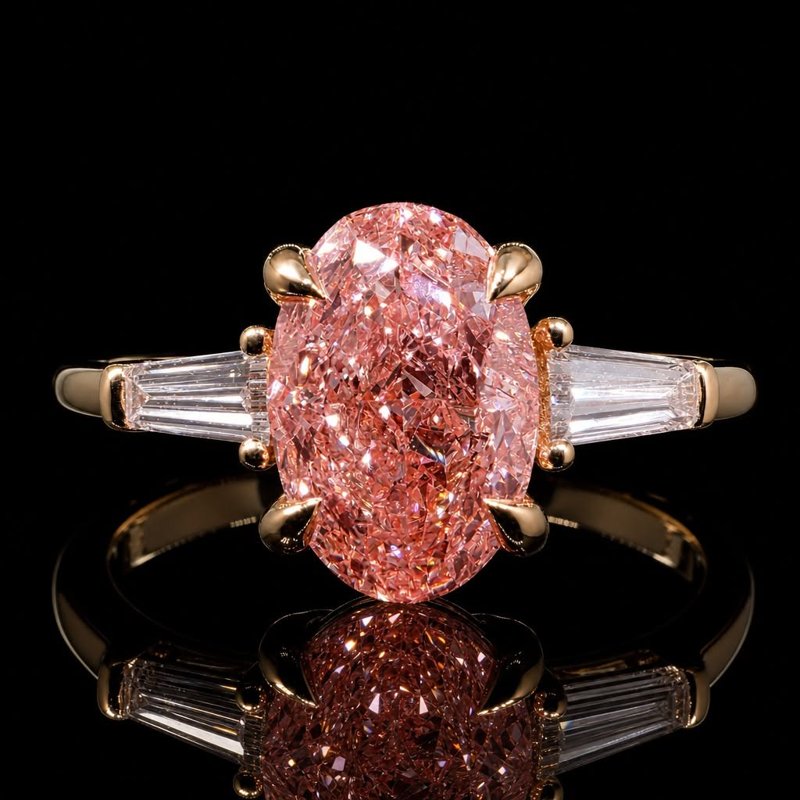
Is this an everyday ring or a sometimes ring?
An occasional-wear ring can make room for a more delicate stone, provided its condition, setting and care needs suit the way you will wear it.
A sometimes ring is allowed to be a sometimes ring. You can love it, wear it for the occasions you bought it for and put it away afterwards. It does not have to meet the same brief as an engagement ring you want to wear through most of your week.
That distinction matters to me because I don't want the practical advice to flatten everything into the same few choices. There are beautiful stones that need more consideration, and the right answer can be to choose them for a different kind of piece.
Occasional wear doesn't make a fragile stone damage-proof, though. One knock can still matter. I want the expectations to be clear before we design around it.
Why would I be cautious about an opal engagement ring?
I would usually advise against opal for an everyday engagement ring because its vulnerability to scratching, breaking and certain environmental conditions can be a poor match for that job.
Opals are absolutely gorgeous. That isn't the question. The question is whether the stone will suit the way you want to wear the ring, and whether you will be happy with the care it asks of you.
GIA lists opal at 5 to 6.5 on the Mohs hardness scale, with very poor to fair toughness. Heat and sudden temperature changes can also cause damage. Those are separate concerns, not just different ways of saying “soft.” GIA's opal care guide explains them.
For a ring you wear occasionally and handle thoughtfully, I might have a different conversation. For an everyday engagement ring that you don't want to think much about, I would be much more cautious.
But I wouldn't try to change your heart if it was truly set on opal. I would want you to understand the choice, discuss the setting and care honestly, and decide with all the information. A protective setting can help with some exposure; it cannot change what the stone is.
What does durability actually mean?
Durability includes scratch resistance, resistance to breaking or chipping, and stability under conditions such as heat or chemical exposure.
That is why a hardness number alone doesn't settle the choice. GIA describes these as hardness, toughness and stability. Its explanation of gemstone durability is a useful foundation.
When we compare candidates, I want to connect those ideas to ordinary life. Are you working with your hands? Will the ring be exposed to knocks? Are you comfortable removing it for activities where it could be damaged? What kind of cleaning will the finished piece need?
Sapphire is one material worth discussing for regular wear: GIA gives it a hardness of 9 and describes its toughness as excellent. That still doesn't mean every sapphire, treatment or setting can be treated identically. GIA's sapphire care guidance makes those distinctions.
I am looking for a workable match, not a claim that any ring is indestructible.
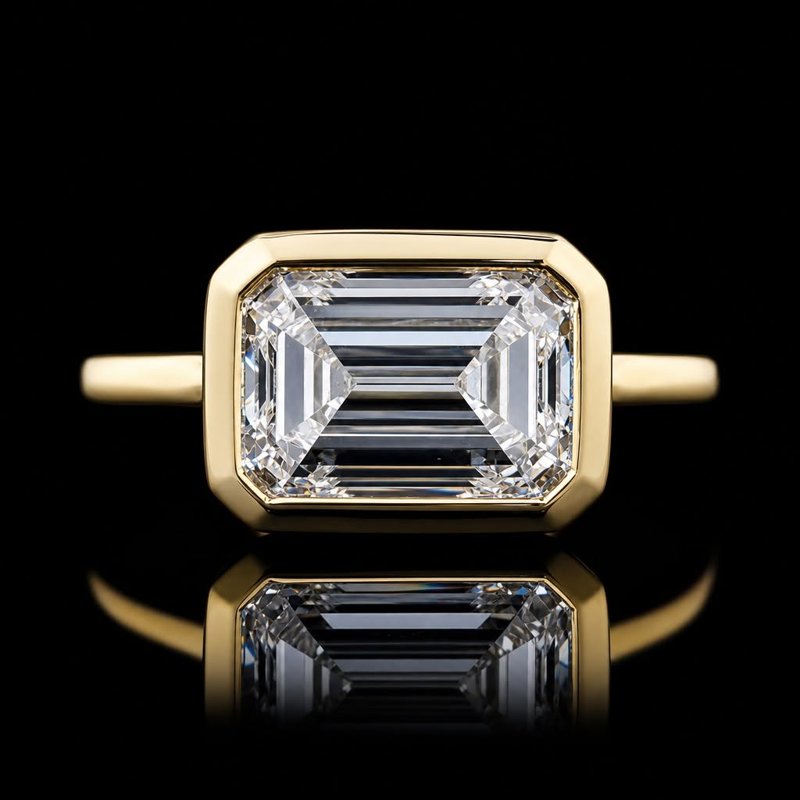
How do I balance lifestyle and the color you love?
I would identify the practical limits, then look for options that still feel like the ring you wanted in the first place.
If your favorite stone asks for more care than you want to give an everyday ring, we can explore a different material in a related shade. We can also discuss whether you would prefer to keep that exact stone for an occasional piece. Neither decision has to happen before you see the possibilities.
And “related shade” deserves an honest conversation. I won't pretend a different gemstone is visually identical because it happens to be green. You might love the alternative. You might look at it and immediately know the original color is what matters.
This is where I want your reaction. Show me what you keep coming back to, and tell me when something isn't it. The practicalities are there to help you choose, not to take all the feeling out of the process.
What should we compare on the shortlist?
A useful shortlist makes the differences between actual stones clear enough that you can decide what matters most.
For each candidate, these are the things I would want us to discuss:
- Color and appearance: the shade you see, the tones you love or dislike, and how the stone looks in comparable lighting.
- Identity and documentation: what the stone is, its natural or lab-grown origin where relevant, and disclosed treatments or findings.
- Dimensions and proportions: the measurements you will see on your hand, alongside carat weight.
- Condition and wear: any vulnerabilities that affect the setting or the way you will use the ring.
- The complete design: how the stone works with the metal, setting height, band and overall budget.
The whole ring can also carry meaning beyond the center stone. In our marquise engagement ring upgrade, four hidden stones represented the couple and their two children. That personal detail was part of the design, not something a center-stone grade could describe.
Not every category will carry equal weight for every person. That is exactly why I want to talk through the options with you.
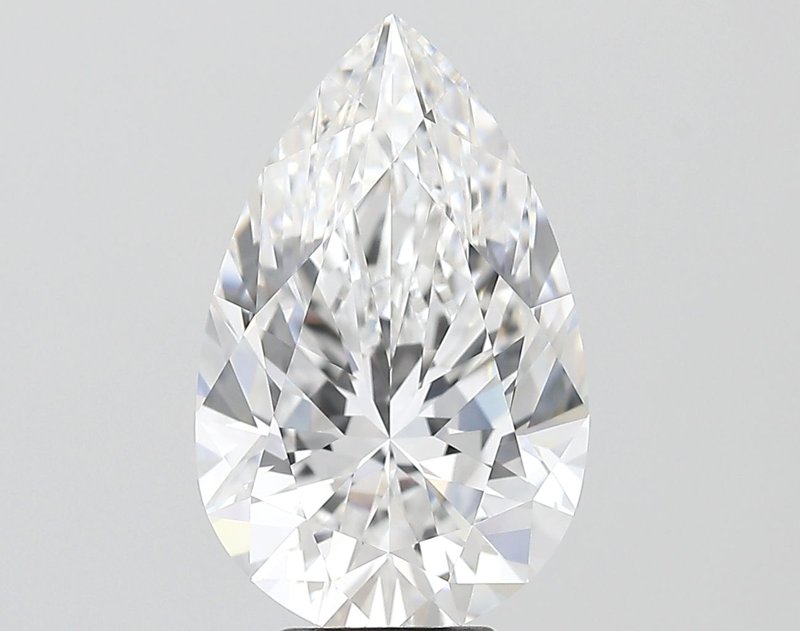
Why do I show you measurements as well as carats?
Carat is a unit of weight, so two stones with similar weights can look quite different from above.
In the photograph I shared in our gemstone-sourcing article, the smaller-looking stone on the left weighs 2.94ct and the larger-looking stone on the right weighs 2.84ct. That is a real example of why the number doesn't tell the whole story.
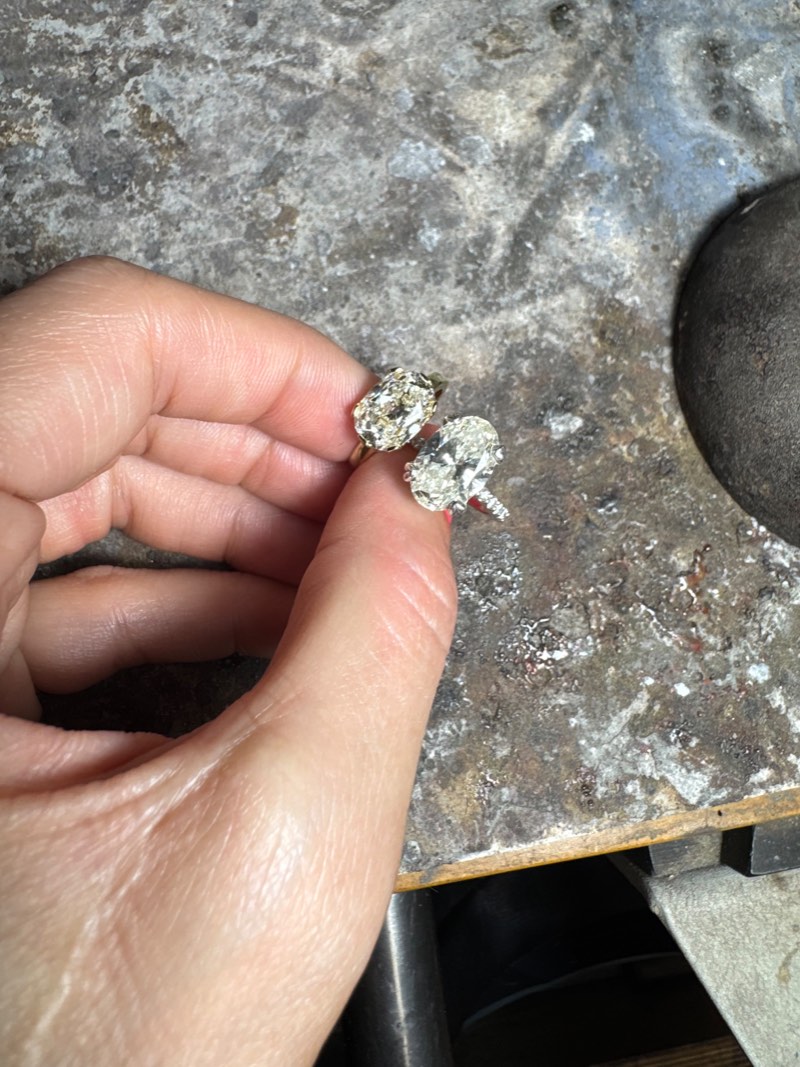
Across different gemstone materials, density can also differ, which is another reason not to treat equal carat weight as equal visible size. I want to look at measurements, shape and cut, then relate those to your ring size and the setting.
You can absolutely have a carat goal. I just don't want it to keep you from seeing a stone whose proportions you prefer.
Are colored gemstones worth investing in?
I think a beautifully chosen colored gemstone can be worth investing in as a piece you love and intend to keep. Financial return is a different question, and I would not describe colored gemstones as a guaranteed investment.
The individual stone matters. GIA identifies color, origin, size, clarity, shape and cutting quality among the factors that influence colored-gemstone prices. A broad label such as “sapphire” or “tourmaline” doesn't tell you what a particular stone is worth. GIA's colored-gemstone value factors explain the distinctions.
If future resale is important to you, say that before buying. We should discuss the documentation, the purchase price and how you would actually sell it. A retail price or replacement appraisal is not a promise of what a buyer will pay you, and selling can involve fees and time. GIA's resale guidance is a useful starting point for understanding that process.
For this ring, I want you to understand the value of the actual stone and feel good about choosing it. I don't want a promise about a future price to do the choosing for you.
How do we know when we've found the right one?
For me, the practical questions and the emotional reaction both belong in that decision.
I want the stone to make sense for your life, the design and the budget. I also want that moment where you see it and something clicks, where we stop talking about a list of possibilities and start talking about your stone.
That is the balance I am looking for. The color you love, a choice you understand, and a ring you can enjoy wearing in the way we designed it to be worn.
Send me your color references, your budget range and whether this is an everyday ring or an occasional one. If you know what you love but not what the stone is called, that is enough to start.
Let's choose the stone for your custom ring.
Tell me the color you love, your budget range and whether this is an everyday ring or an occasional one. Email Chloe.